← Back to Journal
Genuine Leather vs Vegan Leather: What’s the Difference?
Choosing a new handbag often means deciding between vegan leather and genuine leather. While both materials have their own advantages, they differ in durability, appearance, maintenance and price. Understanding these differences can help you choose a handbag that suits your lifestyle and budget.
What is Genuine Leather?
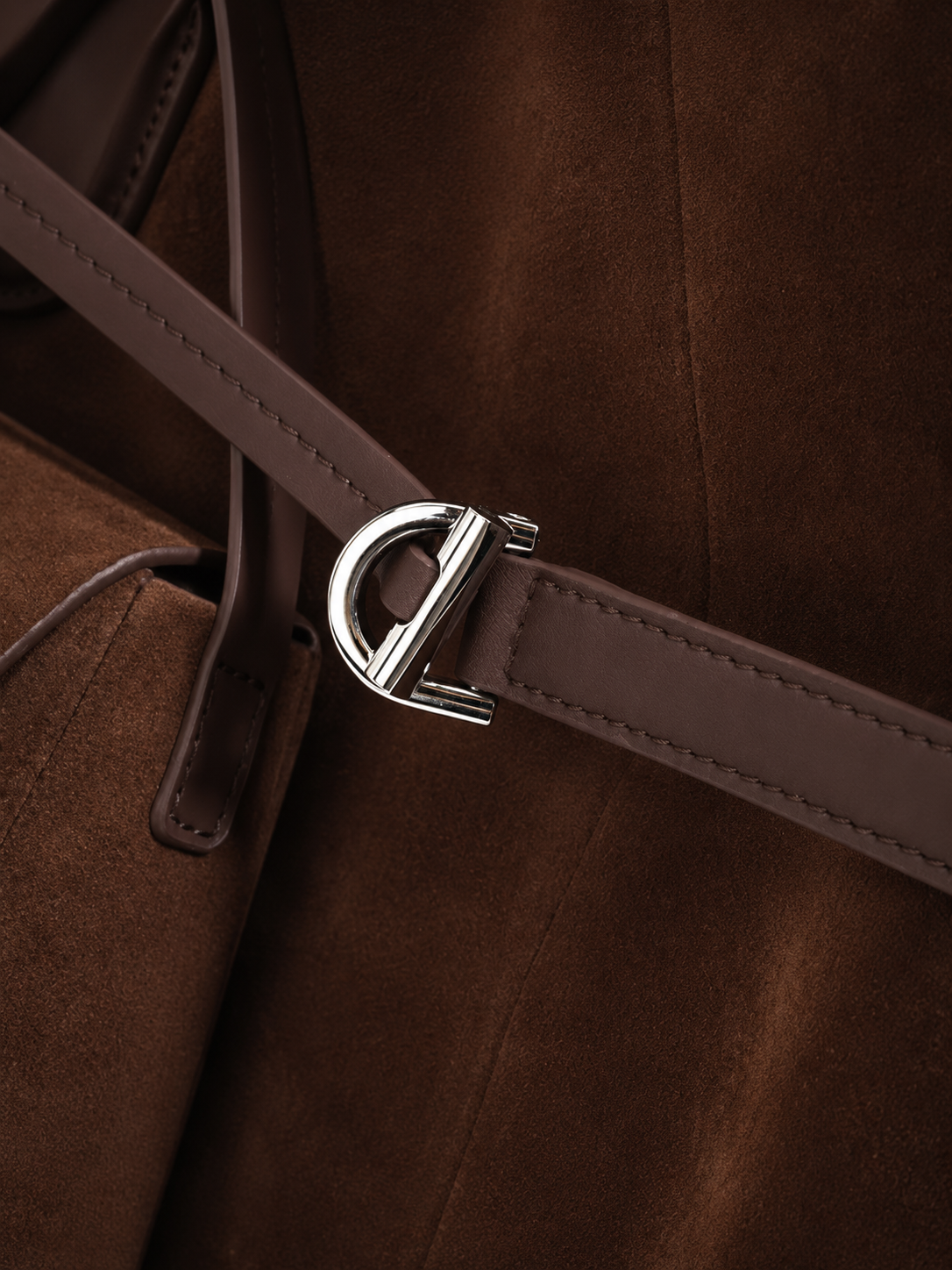
When people hear the term genuine leather, they often assume it refers to one specific type of leather. In reality, it’s a broad term for leather made from animal hide, with cowhide being the most common choice for handbags.
Many premium handbags are made using first layer cowhide, which comes from the outer layer of the hide. This layer is valued for its strength, natural grain and durability, making it a popular choice for handbags that are designed for regular use.
Genuine leather is also available in different grades and finishes, so not every leather bag will feel or perform exactly the same. The quality depends on how the leather has been processed, finished and cared for.
One of the qualities many people appreciate about genuine leather is how it changes over time. With regular use and proper care, it often becomes softer and develops more character, making each bag unique to its owner.
What is Vegan Leather?
Vegan leather is an alternative to animal leather that is made without using animal hides. Instead, it is produced from synthetic materials such as polyurethane (PU) or polyvinyl chloride (PVC), while newer options are made from plant-based materials.
Although it’s often grouped under one name, vegan leather isn’t made from a single material. Different types have different characteristics, so how a handbag looks, feels and wears over time depends on what it’s made from. Knowing what each material offers makes it easier to decide which one fits your budget, lifestyle and expectations.
PU (Polyurethane) leather is the most common type of vegan leather used in handbags today. It has a softer, more flexible feel than PVC leather and is often chosen because it closely resembles the appearance of genuine leather.
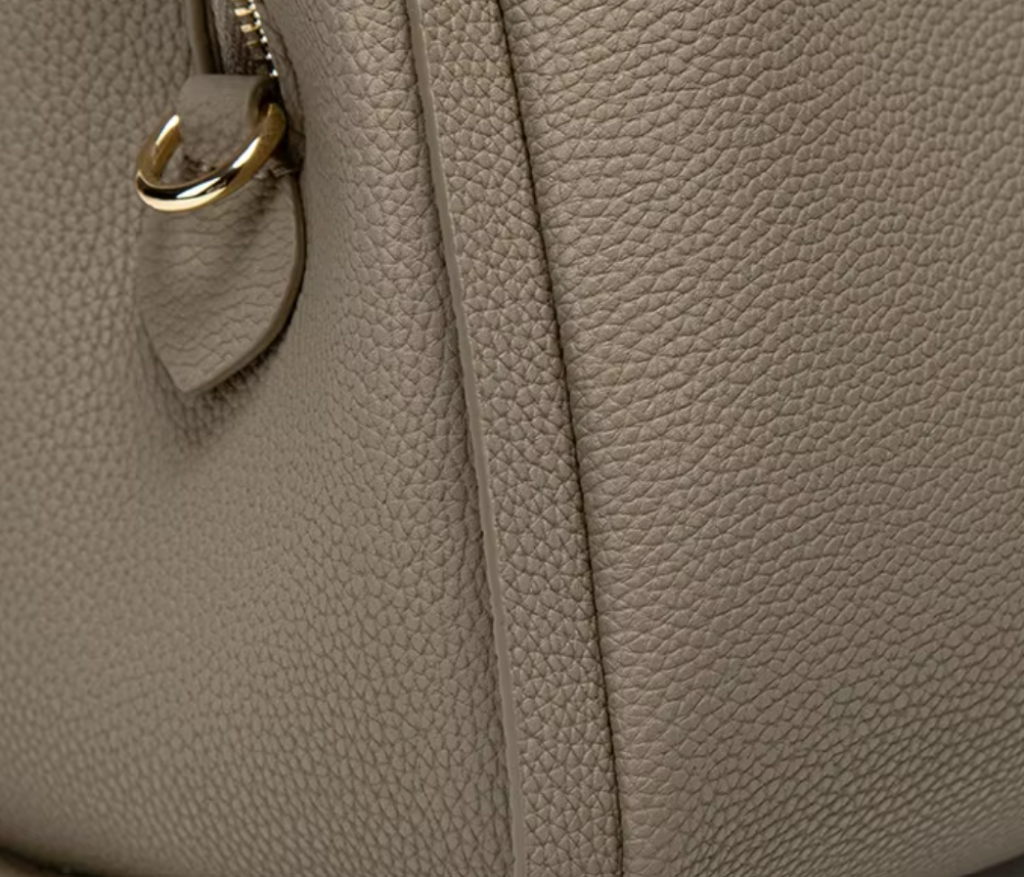
PVC (Polyvinyl Chloride) leather is known for being highly durable and water-resistant, but it generally has a firmer feel than PU leather. Environmental concerns around PVC largely relate to how it’s manufactured and disposed. Its environmental considerations differ from PU and other alternatives, particularly in relation to its production and disposal.
In recent years, materials made from cactus, apple waste, pineapple leaves and mushrooms have attracted growing interest. While these alternatives reduce reliance on traditional plastics, many still include a small amount of PU or other synthetic materials to improve durability and extend the life of the product.
| Feature | Genuine Leather | Vegan Leather |
| Durability | High | Varies by material |
| Softness | High | Can range from soft to firm |
| Water Resistance | Low | Moderate |
| Maintenance | Moderate | Simple |
| Lifespan | Long | Medium |
| Cost | Higher | Generally lower |
Which Material Ages Better?
The way a handbag ages is one of the biggest differences between genuine leather and vegan leather. While both materials change with regular use, they do so in very different ways.
| Characteristic | Genuine Leather | Vegan Leather |
| Patina | Develops naturally over time | Does not develop a patina |
| Texture | Softens with use | Usually remains consistent until signs of wear appear |
| Scratches | Minor scratches may blend in over time | Surface scratches are generally more noticeable |
| Creases | Natural creases become part of the leather’s character | Heavy bending may eventually cause wrinkling or cracking |
| Colour | May develop a richer tone with age | Usually retains its original colour before gradually fading |
So, Which One Ages Better?
There isn’t a one size fits all answer – it depends on what you value.
If you enjoy a handbag that develops more character over time, genuine leather is often the preferred choice. Each bag ages slightly differently, making it unique to its owner.
If you prefer a material that keeps a more consistent appearance and requires minimal maintenance, vegan leather may be the better option.
Which Material is Right for Everyday use?
There isn’t a single answer that suits everyone. The better choice depends on how you plan to use your handbag and what matters most to you.
If you carry the same handbag every day and are looking for something that can age gracefully over time, genuine leather is often a worthwhile investment. With proper care, it can remain in excellent condition for many years while developing its own character through regular use.
On the other hand, vegan leather may be a practical choice if you’re looking for a more affordable handbag, prefer low-maintenance materials or like changing your bags more frequently to match different outfits or seasons.
Rather than asking which material is “better,” it’s more helpful to think about which one best suits your lifestyle, budget and personal preferences.
Which One is More Sustainable?
Sustainability is one of the most discussed topics when comparing genuine leather and vegan leather, but the answer isn’t as straightforward as it may seem.
Genuine leather is a natural material made from animal hide. Many people value it for its durability, as a well-made leather handbag can last for many years with proper care. Keeping a bag in use for longer may reduce the need for frequent replacements.
Vegan leather, on the other hand, is made without using animal hide. Traditional vegan leather is commonly produced from synthetic materials such as PU or PVC, while newer alternatives use plant-based materials including cactus, apple waste and pineapple leaves. These newer materials aim to reduce the use of petroleum-based plastics, although many still include synthetic components to improve durability and performance.
Ultimately, sustainability depends on more than just the material itself. Factors such as manufacturing methods, product quality, how often the bag is used, and how long it lasts all contribute to its overall environmental impact.
Rather than assuming one material is always the more sustainable choice, it’s worth considering how the handbag fits your lifestyle and whether it’s something you’ll continue to use for years to come.
Pros & Cons
Genuine Leather
| Pros | Cons |
| Durable | Higher cost |
| Ages beautifully | Requires occasional care |
| Natural texture | Not suitable for those avoiding animal products |
| Long lifespan |
Vegan Leather
| Pros | Cons |
| More affordable | May not last as long |
| Easier to clean | Doesn’t develop a natural patina |
| Wide range of colours and finishes | Quality varies significantly between materials |
| Animal-free |
Our Perspective
At Porta Belle, we carefully select materials based on the design and purpose of each handbag. Some styles are crafted from genuine leather for their natural texture and long-lasting durability, while some feature premium alternative materials chosen for their appearance, structure and everyday practicality. Rather than viewing one material as the right choice for every handbag, we believe the best material depends on the purpose and design of each piece.
Conclusion
Whether you choose genuine leather or vegan leather, understanding the differences allows you to make a more informed purchase. The best handbag is one that suits your lifestyle, is made with care, and is something you’ll enjoy carrying for years to come.